Emergency and civil protection

From the first minute to a working camp

Equipment to deploy and sustain a response: field camps and hospitals, drinking water, decontamination, firefighting and responder clothing. One point of contact for the whole deployment.

Who we serve

For those who respond on the ground

  • Civil protection and emergency services
  • Fire services
  • Emergency medical services
  • International organisations and NGOs
  • Military units supporting the population
  • Forest fire crews and rescue teams
What we solve

What a deployment needs

Set up fast

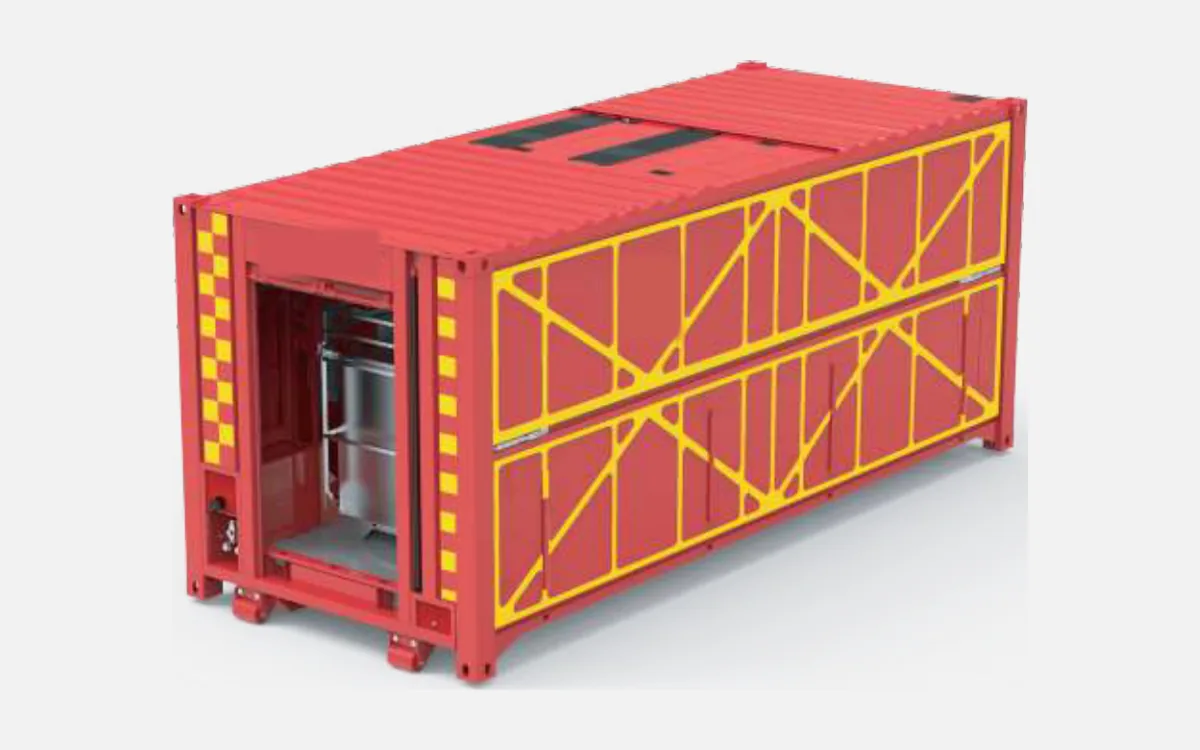
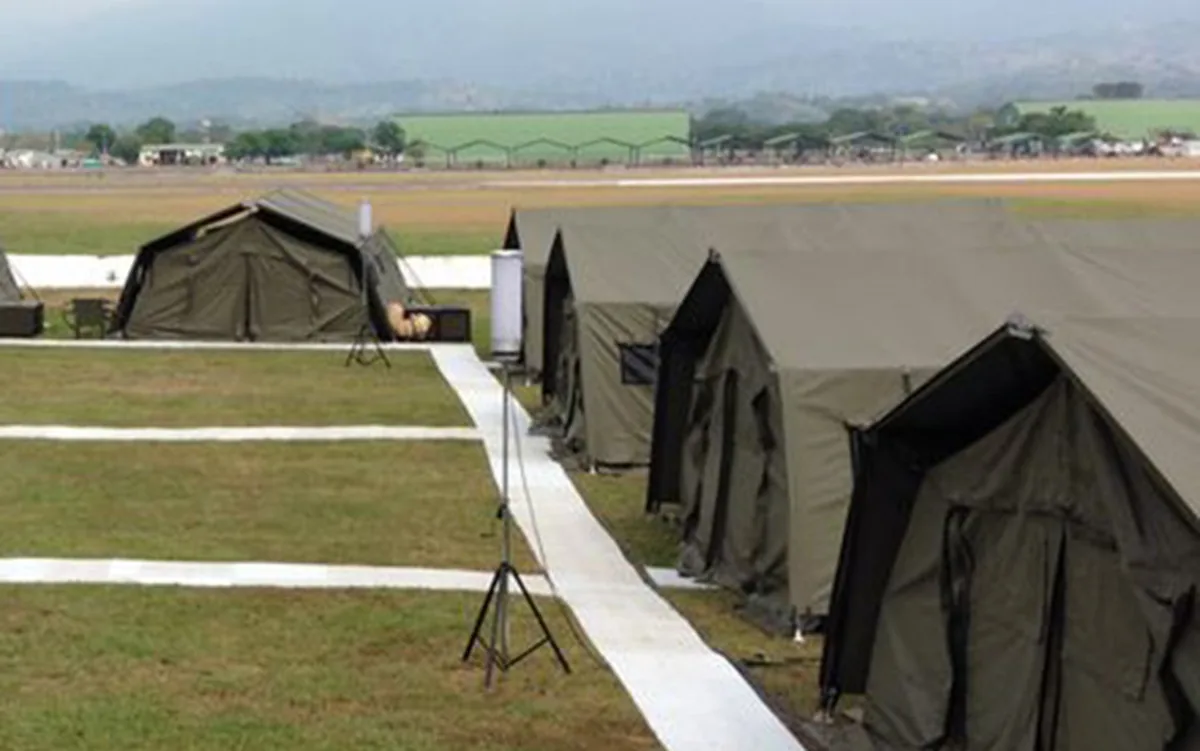
Four families of tents, expandable containers that travel as a 20 ft ISO and open up to 210 m³, and demountable rigid shelters.

Water and power on site

Fresh-water and seawater purifiers from 60 to 20,000 l/h, 12,000-litre tanks and generator sets on trailers or in containers.

Treat the injured

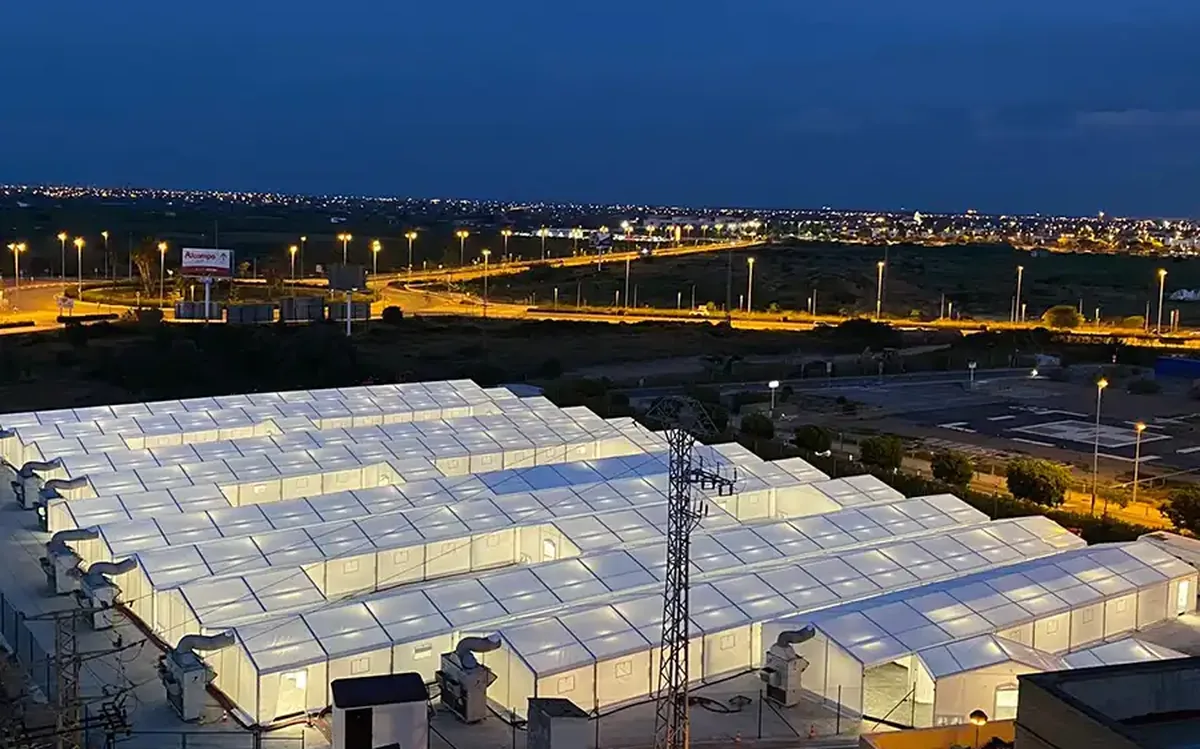
Field hospitals from 20 to 500 beds in tents, containers or rigid shelters, with triage, operating theatre, radiology, pharmacy and laboratory.

Decontaminate people and equipment

Portable units for the first minute, self-contained units, trailer or container stations, and liquid, powder and spray agents.

Fight fires away from fixed installations

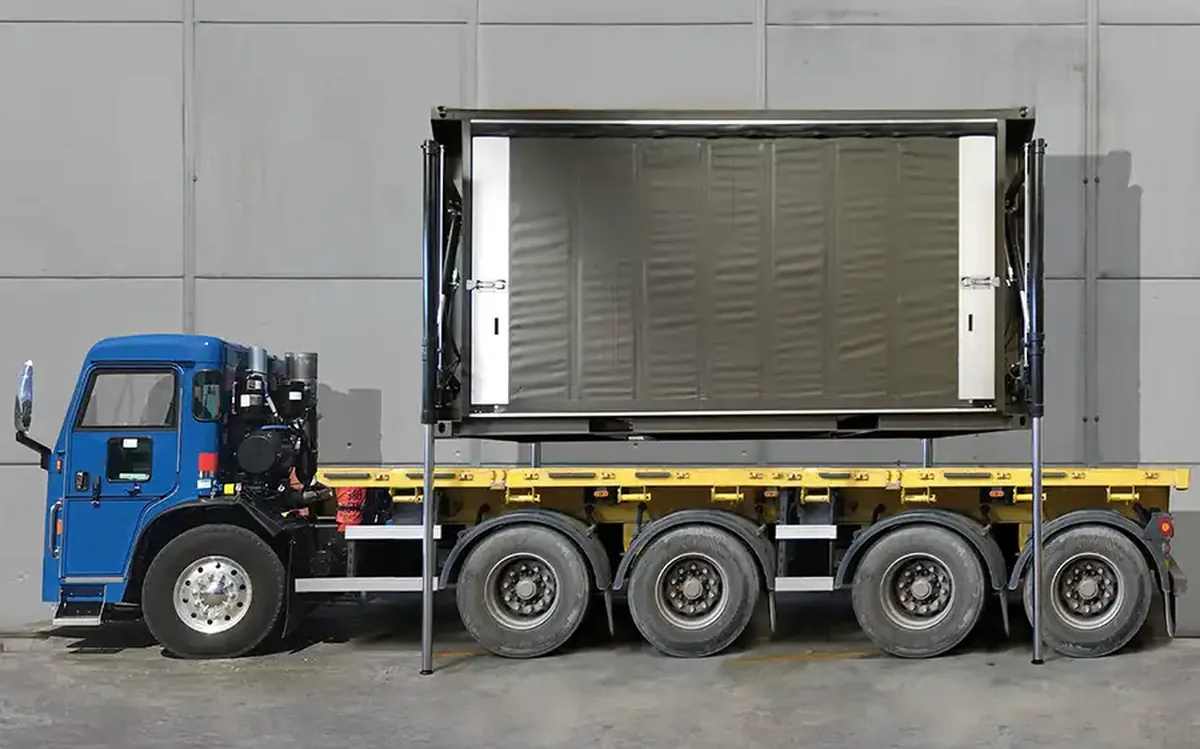
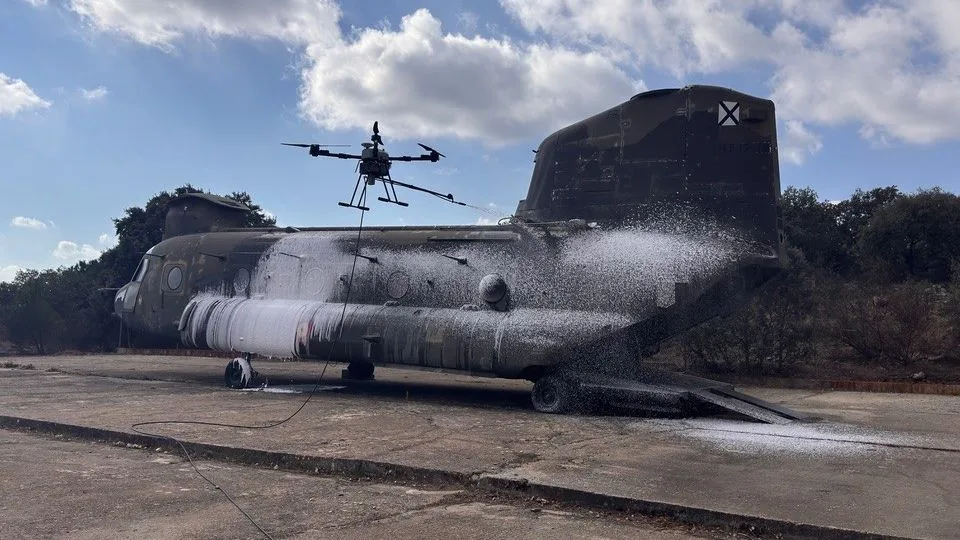
A firefighting station in a 20 ft container on a truck, and a trailer under 750 kg.

Equip responders

Firefighter suits and wildland firefighting clothing, cold and rain wear, impact helmets and quick-pitch tents.

Lines in this sector

The lines we represent

Each line has its own page with products, documentation and contact details.

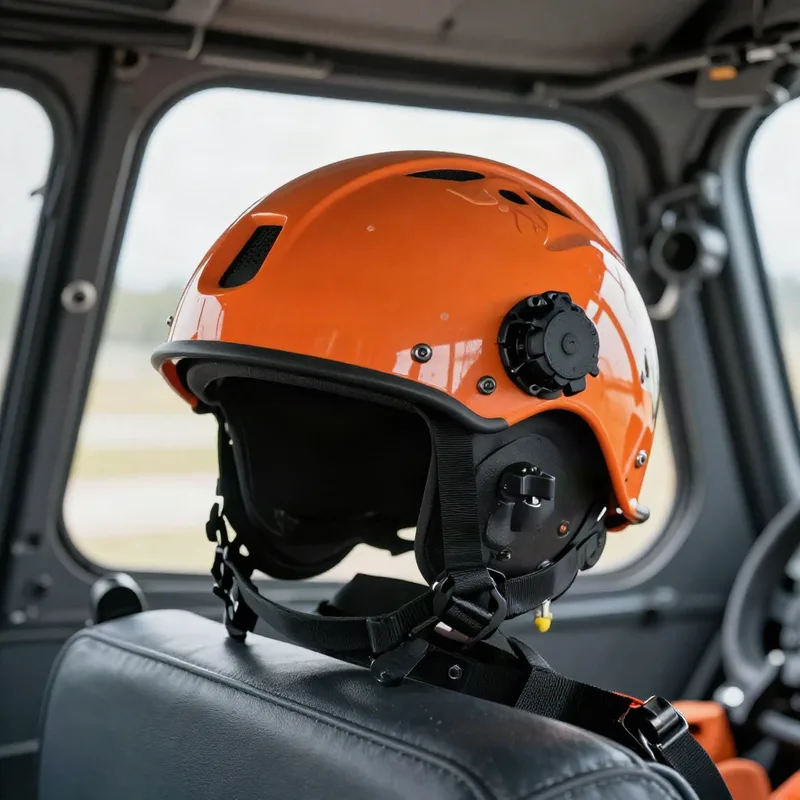
Illustration: lightweight orange helmet in a helicopter cabin

Impact helmets

Non-ballistic polycarbonate and fibreglass helmets for rescue, crews, maritime use and training.

View line
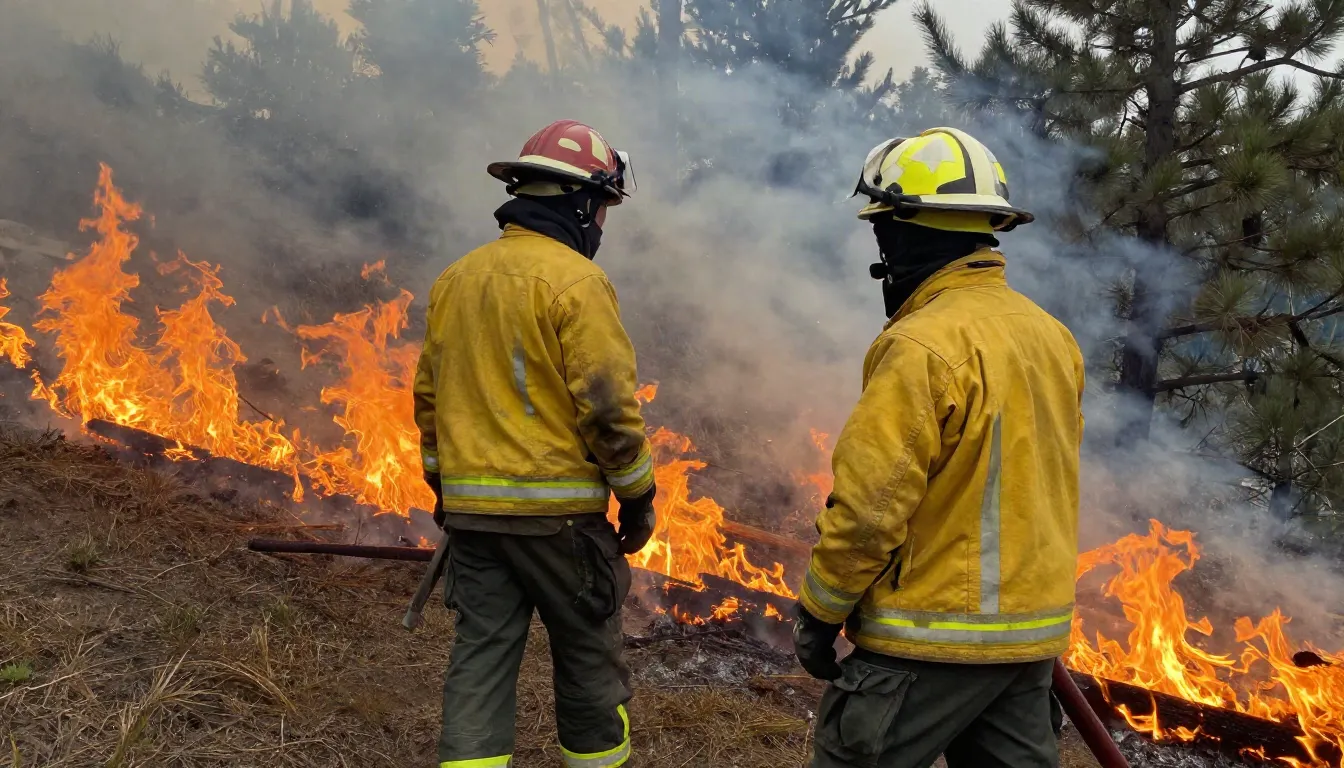
Illustration: wildland firefighters in flame-resistant clothing facing a line of flames

Flame-resistant clothing

Firefighter suits and coveralls, and wildland firefighting clothing.

View line
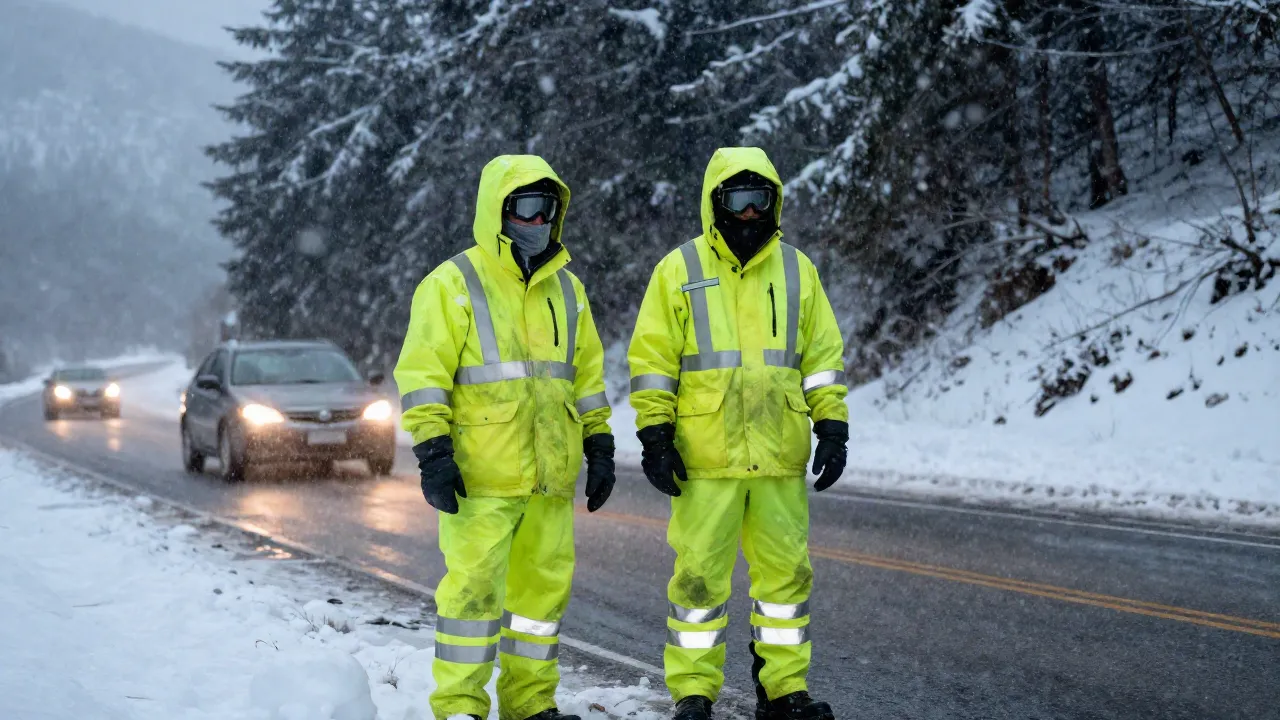
Illustration: workers in waterproof, insulated high-visibility clothing in a snowstorm beside a road

Technical clothing

Cold and wet weather clothing, high-visibility garments, professional motorcyclist kit, airbag vests, thermal wear and made-to-order uniforms.

View line
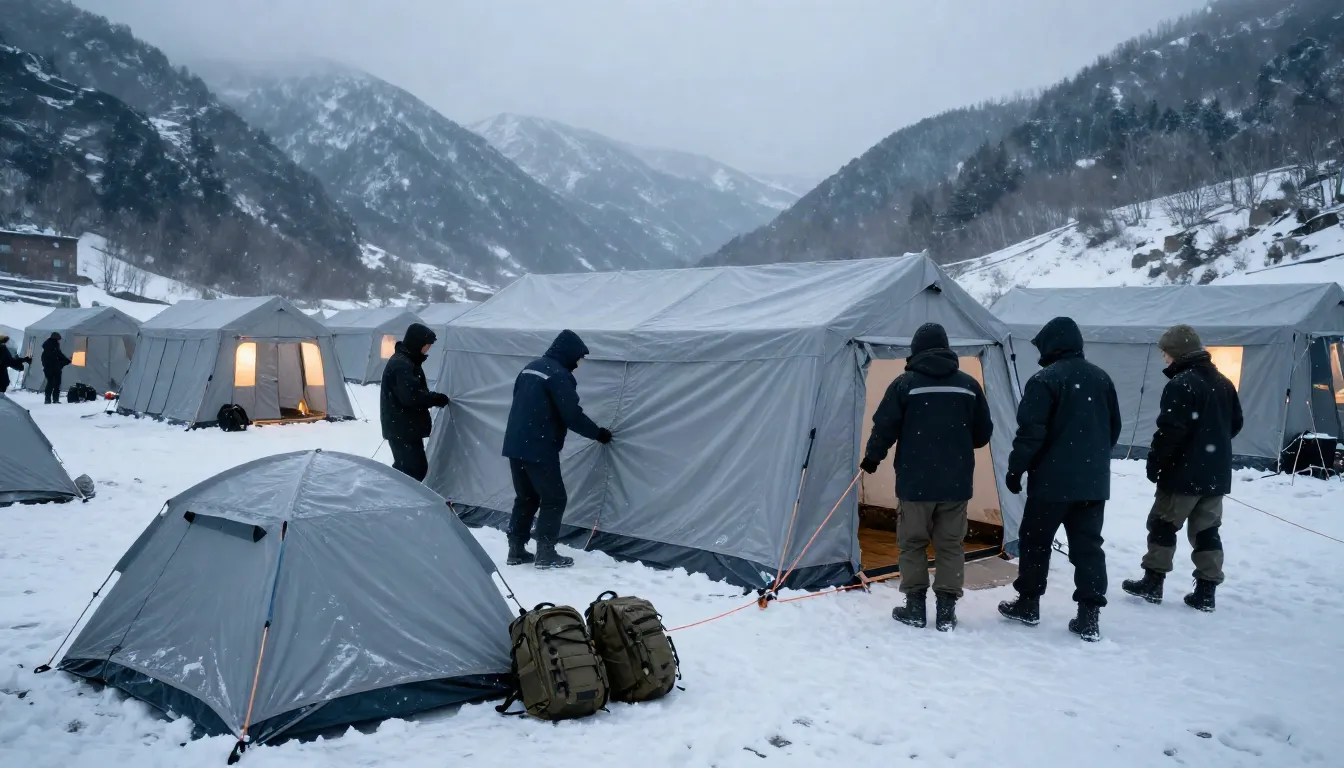
Illustration: emergency teams pitching disaster tents in a snowy valley, with backpacks and a small tent

Camp and emergency equipment

Quick-pitch and disaster tents, sleeping bags from −12 to −40 °C, backpacks and an inflatable stretcher.

View line
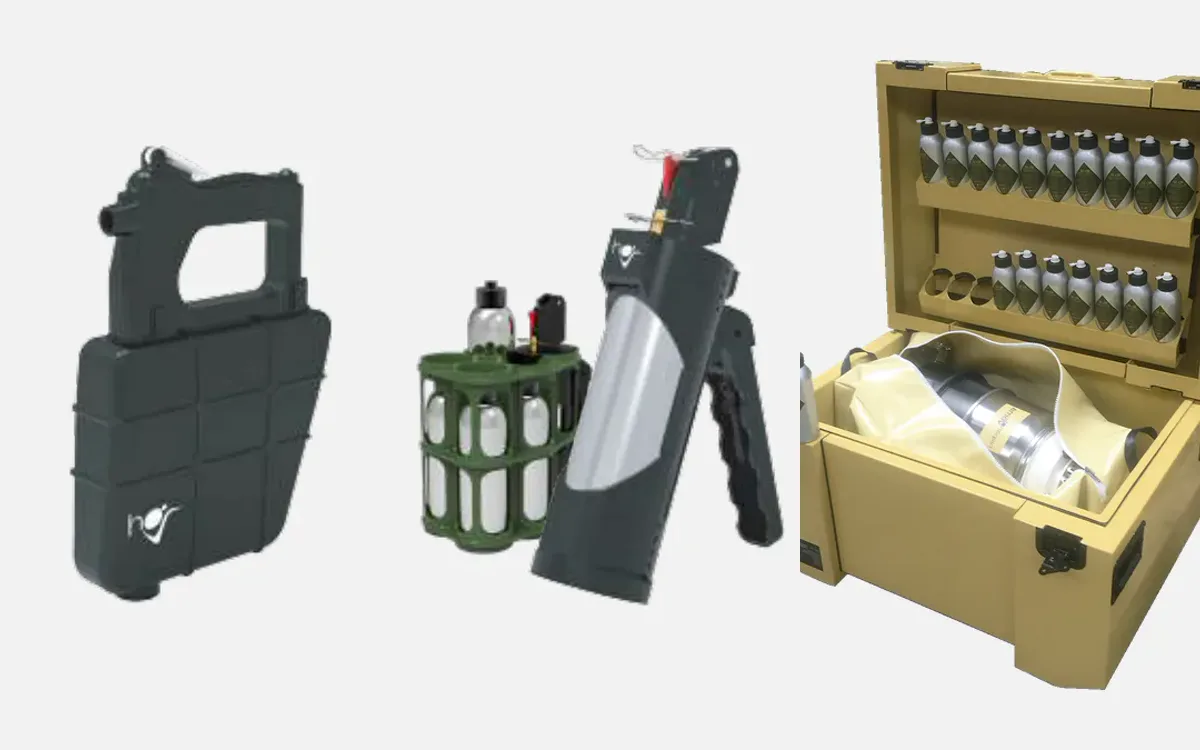
Hispanovema portable CBRN first-response units

First-response equipment

Portable units carried by one person to decontaminate from the first minute: ATM 2, ATM, ATM 10 and eDECON 10 for sensitive equipment.

View line
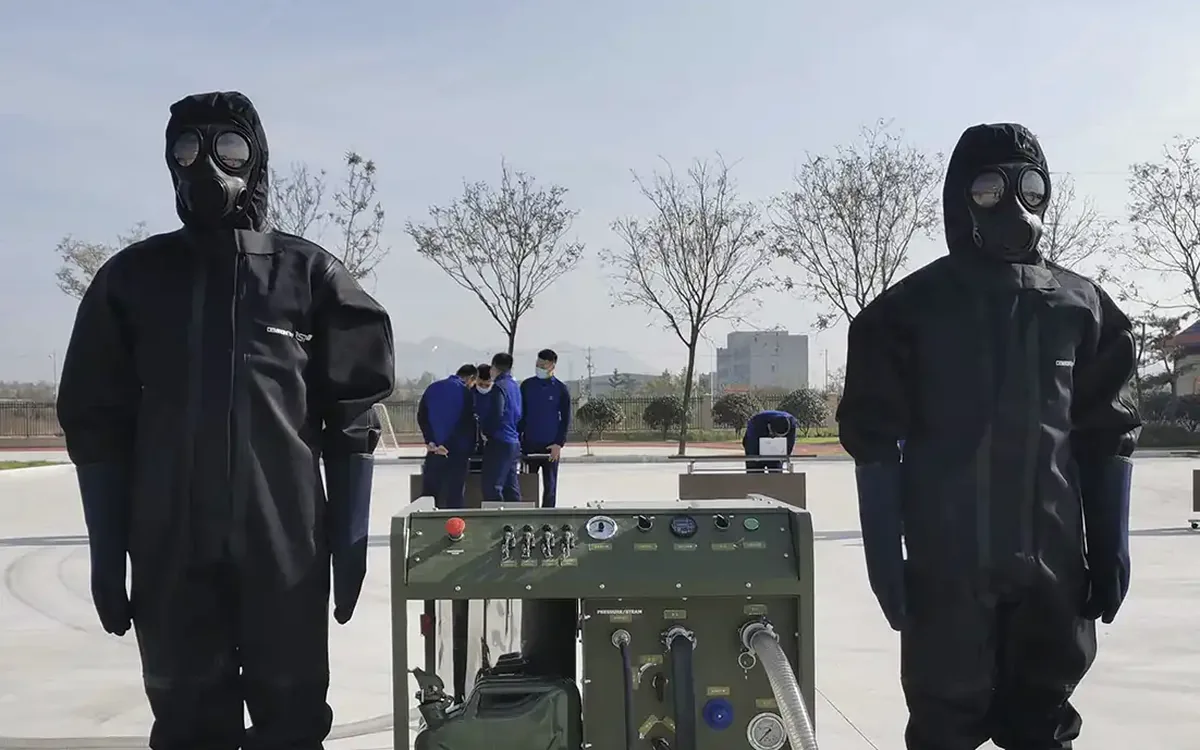
Hispanovema portable and self-contained CBRN decontamination equipment

Decontamination equipment

Self-contained units for decontaminating people, vehicles, terrain and equipment: ATILA, ATILA PLUS, AQUILES COMPACT and AQUILES.

View line
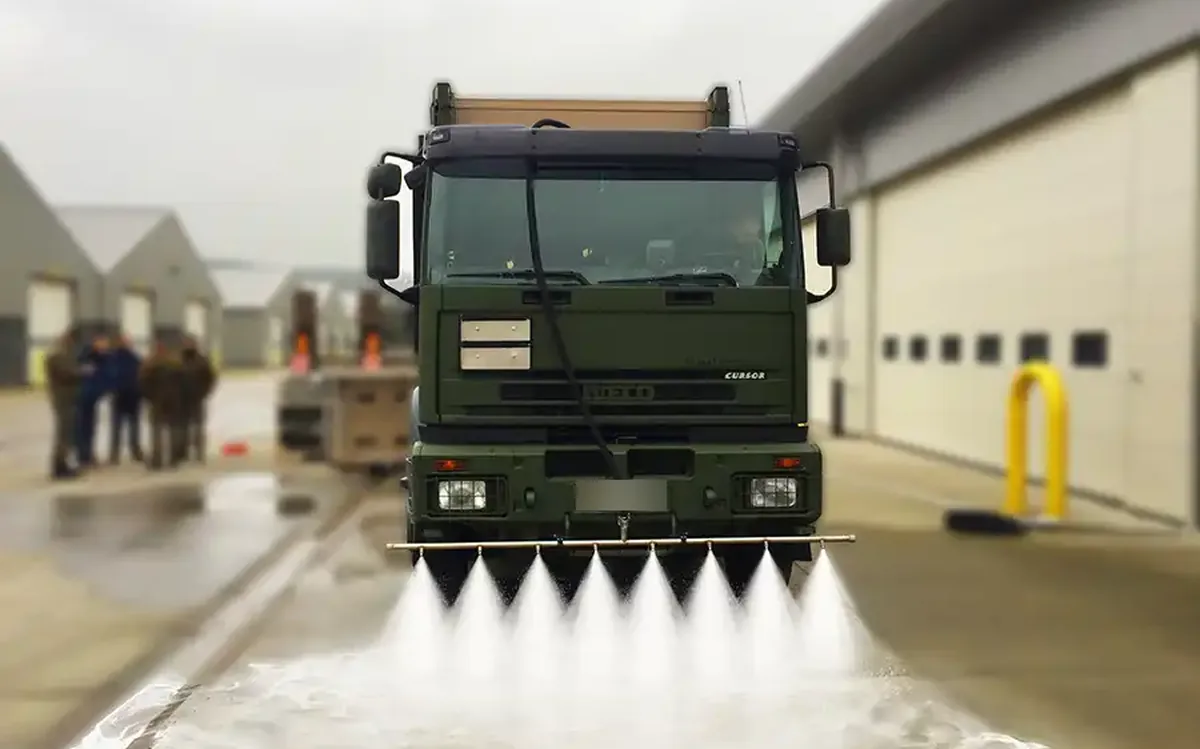
Hispanovema decontamination stations: EDEM personnel station, truck-mounted PDPOL, RELIDE trailer and VELIDE van

Decontamination stations

Trailer, firefighters’ van, truck-mounted container and mass stations for decontaminating people and vehicles in succession after a CBRN incident.

View line
Hispanovema decontamination agents: jerrycans, pail and spray can

Decontamination agents

Liquid, powder and spray agents for decontaminating people, vehicles, terrain and sensitive equipment according to the CBRN threat.

View line
Containerised mobile firefighting station and firefighting trailer

Mobile firefighting stations

A mobile firefighting station in a truck-mounted 20-foot container and a firefighting trailer under 750 kg.

View line
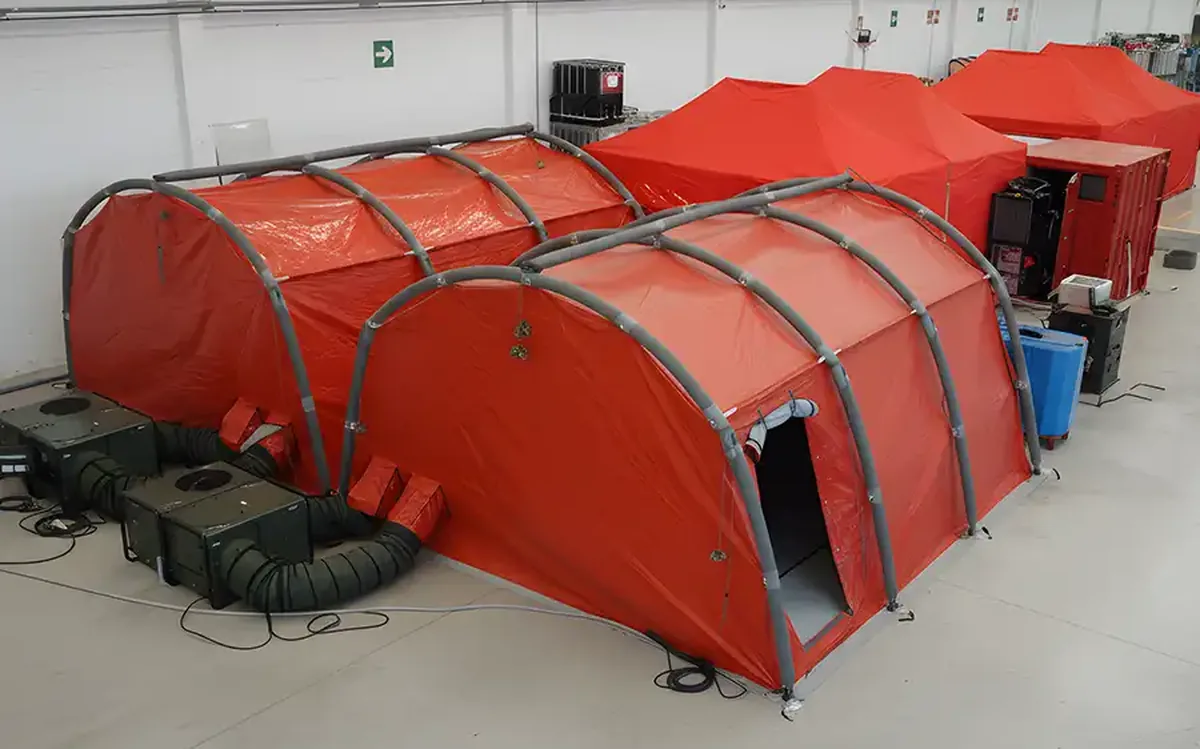
Hispanovema HVR, HVI, HVA and HV field tents

Shelter systems

Four tent families for camps and hospitals: HVA tubular, HVR modular aluminium, HV external-frame and HVI inflatable.

View line
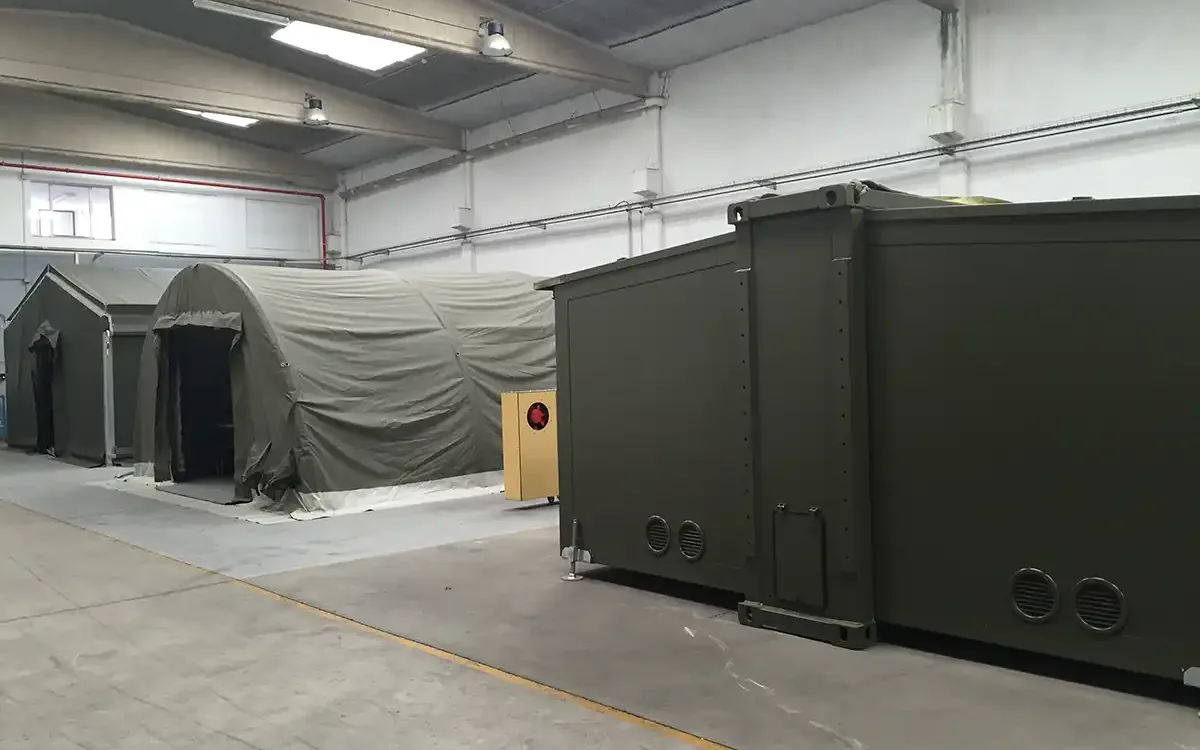
CELDUR deployable container and a camp of CEHAPO igloo shelters

CELDUR and CEHAPO

The CELDUR deployable container, which travels as a 20-foot ISO container and opens out to 210 m³, plus the CEHAPO rigid cell for camps and hospitals.

View line
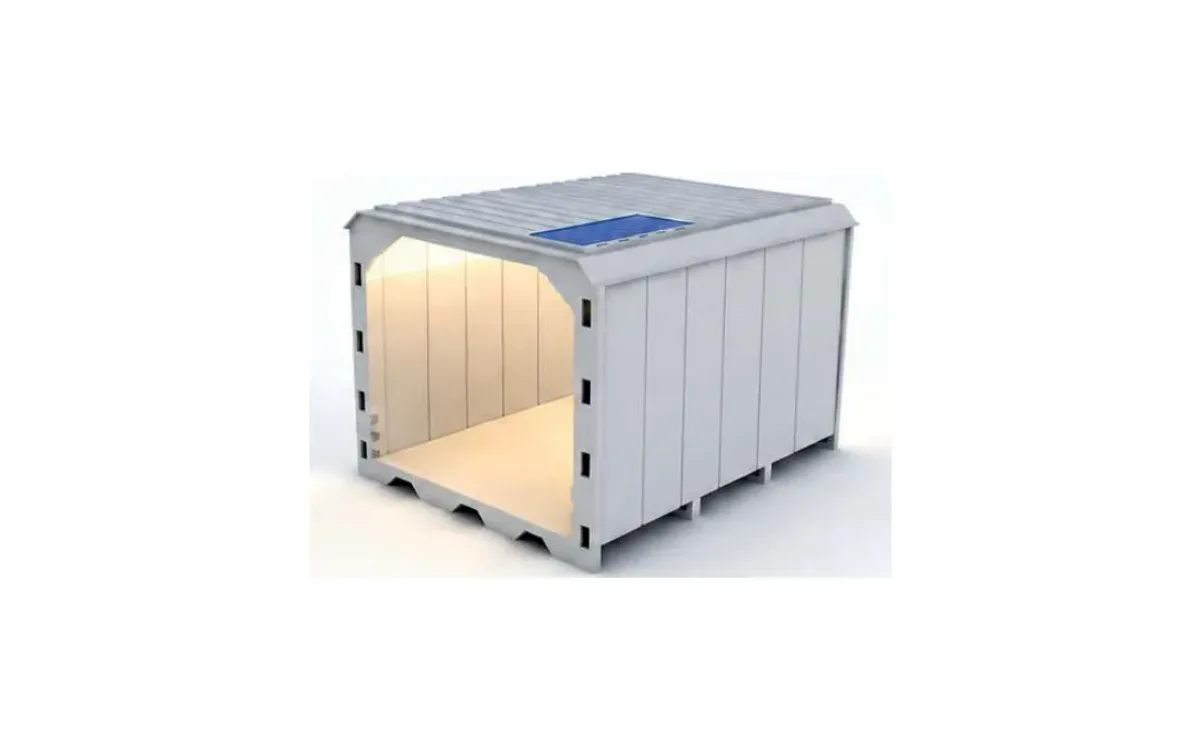
CUBE rigid panel shelter

CUBE system

Rigid-panel shelter that is dismantled, travels stacked and is put up again elsewhere, at whatever length is needed.

View line
Hispanovema support modules: generator, refrigeration unit, fuel tank, sanitary trailer, laundry and water bowser

Camp support services

Trailers and containers for power, fuel, water, laundry, washrooms, refrigeration, kitchen and ablutions for camps and field hospitals.

View line
Deployed field hospital with tents and containers

Hospital sections

Field hospitals from 20 to 500 beds in tents, containers, CEHAPO or CELDUR, with the clinical sections each project requires.

View line
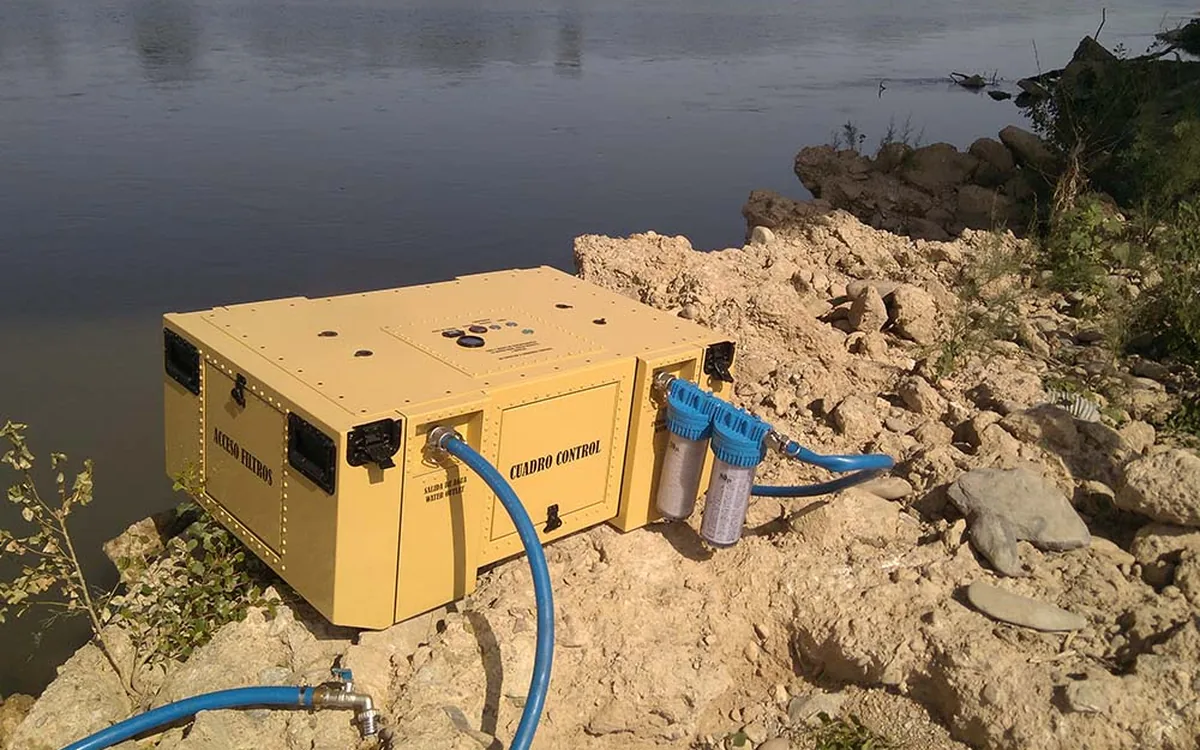
HYDROS and HYDROS MARINE portable purification plants

Water purification plants

HYDROS portable purification plants for fresh water and HYDROS MARINE for seawater, from 60 to 20,000 l/h.

View line
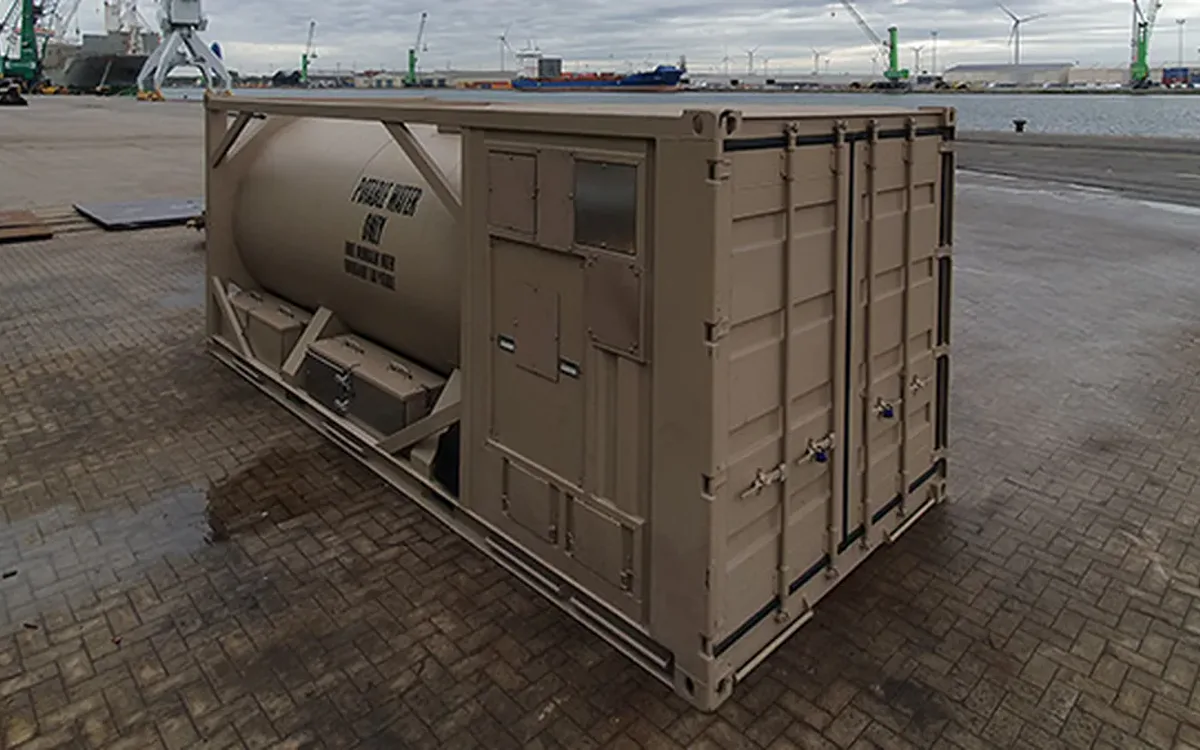
Water tank in an ISO 20′ container

Water tanks

12,000-litre stainless steel tank in an ISO 20′ container for transporting, storing and distributing drinking water.

View line
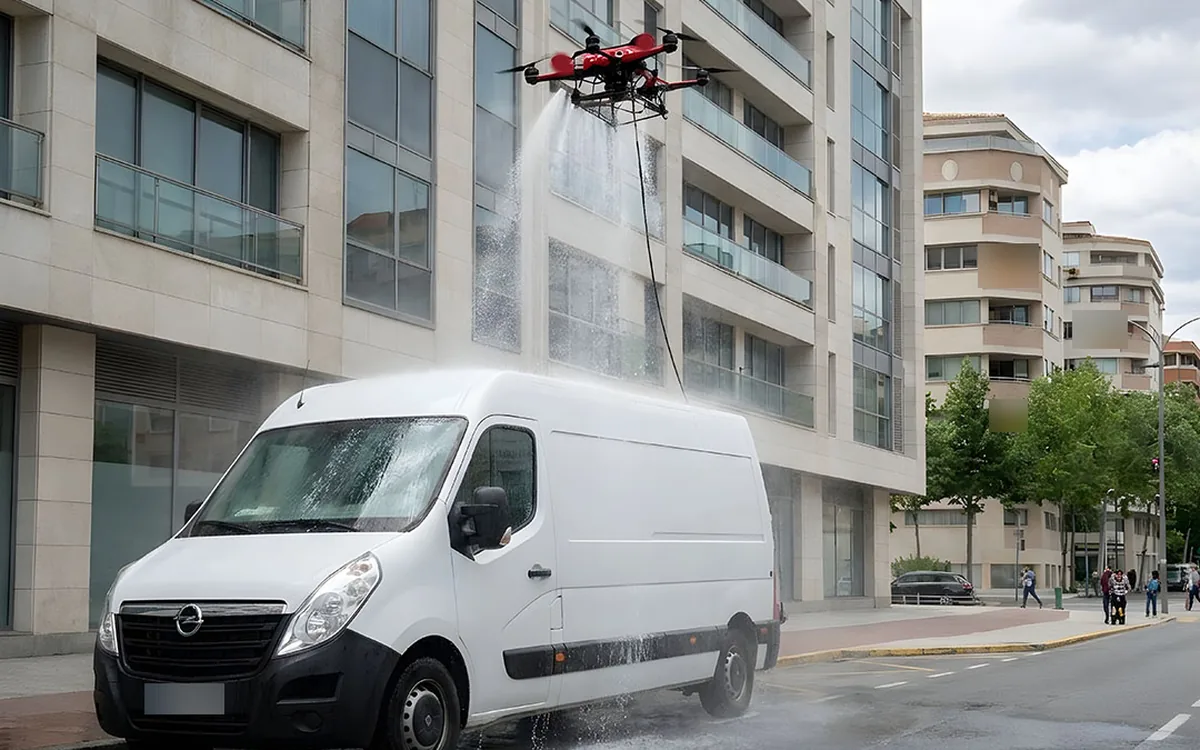
Hispanovema remotely operated platforms: aerial drone, four-legged ground platform and surface vessel

Remotely operated platforms

Ground, aerial and surface platforms with CBRN, inspection and rescue payloads, for working in hazardous areas without exposing personnel.

View line
From the blog

Technical guides

Blog articles: specifications, comparisons and how to buy.

See all articles
Frequently asked questions

What buyers usually ask

Can we order a complete camp?

Yes. Hispanovema configures camps with its tents or containers and power, water, kitchen, laundry and sanitation services, and field hospitals from 20 to 500 beds. Each project is defined by the number of people, the climate, the available power and the means of transport.

How do you get drinking water in the field?

With purifiers for river, lake or well water (1,000 to 20,000 l/h) or for seawater (60 to 8,000 l/h), which work without chemicals and with four possible power sources. A 12,000-litre tank in a 20 ft container stores it and distributes it with its own pump.

Which decontamination equipment do I need?

It depends on who or what needs decontaminating, how many per hour and how the equipment will arrive. There are portable units for the first minutes, self-contained units for people or vehicles, and trailer, van or container stations. We help you choose with the manufacturer.

What happens to the decontamination water?

It is collected in trays and flexible tanks so that it does not reach the ground. Container stations can include a system that treats it on site for reuse.

Can the clothing be adapted to our specification?

Yes. Colours, reflective trim, lettering and size charts are adapted within the standard each model meets: EN 469 for structural firefighting and EN ISO 15384 for wildland firefighting.

Do you work with public bodies?

Yes: public administrations, emergency services, international organisations, NGOs and companies. We put you in touch with the manufacturer, send you the technical data sheet and follow the order through to delivery. CBRN decontamination and remotely operated platforms are for authorised bodies and companies only.

Preparing a deployment?

Tell us what you need and by when, and we will come back to you with the manufacturer and the next steps.

Talk to us →