Remotely operated platforms
Hispanovema applies its CBRN experience to three unmanned platforms: a four-legged ground platform, an aerial platform and a surface vessel. Each carries interchangeable payloads (CBRN detection, cameras, spraying, sampling, rescue equipment) to carry out reconnaissance, inspection or intervention remotely. Platform, payloads and data link are defined with the buyer according to the mission.
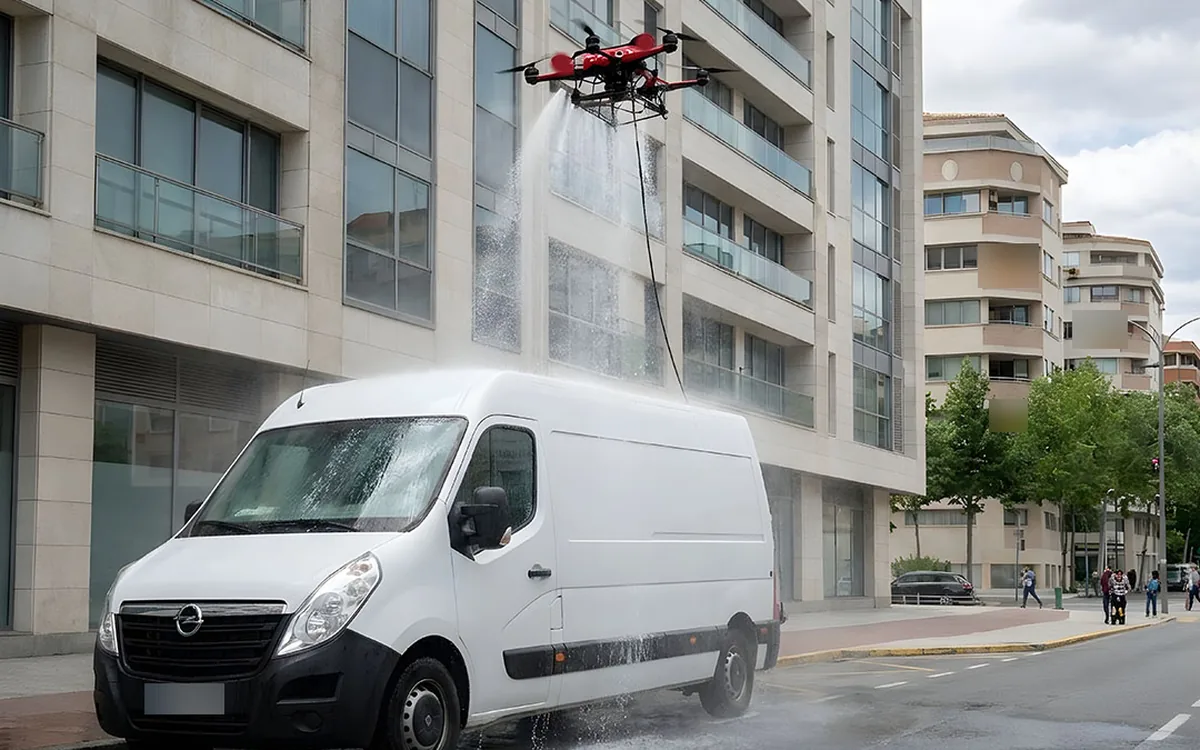
Where it is used
- CBRN reconnaissance and detection
- Decontamination and firefighting support
- Surveillance and inspection of facilities
- Rescue on land and on water
Products in this line
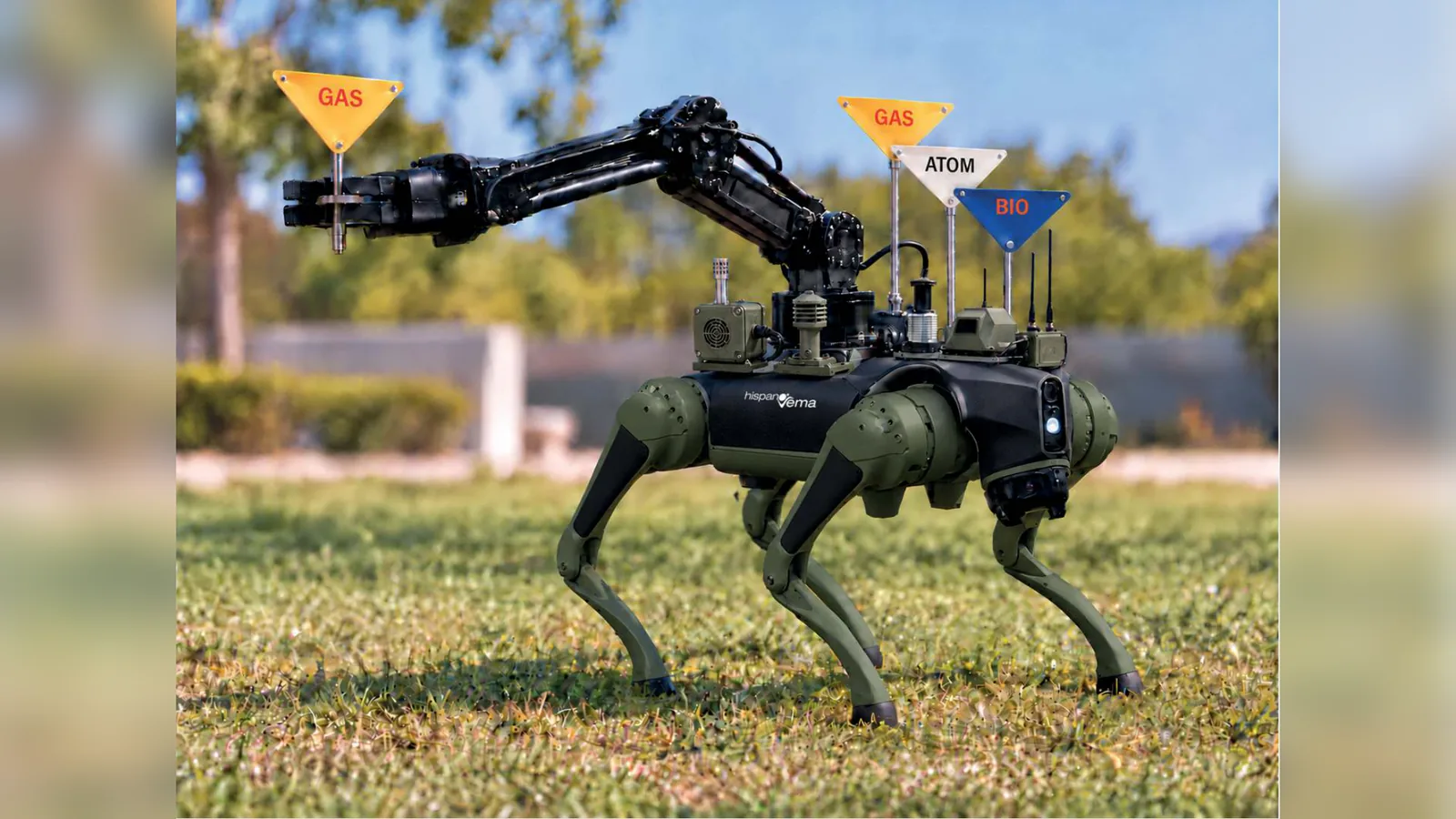
Ground UGV
A four-legged ground platform that goes into difficult terrain and hazardous areas without exposing personnel, with interchangeable payloads.
View product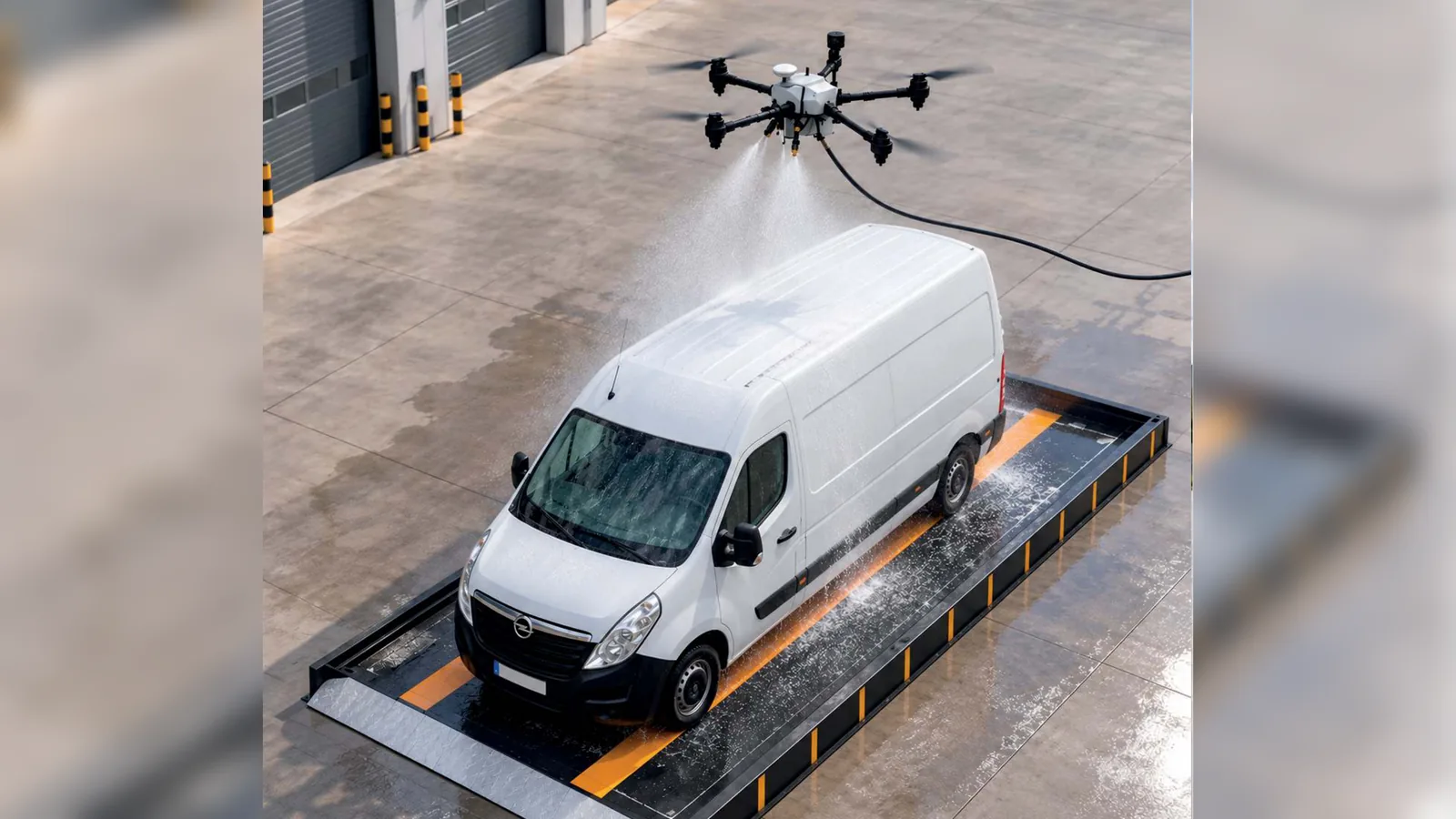
Aerial UAV
An aerial platform to observe, inspect and intervene from the air, reach elevated areas and cover large surfaces without exposing personnel.
View product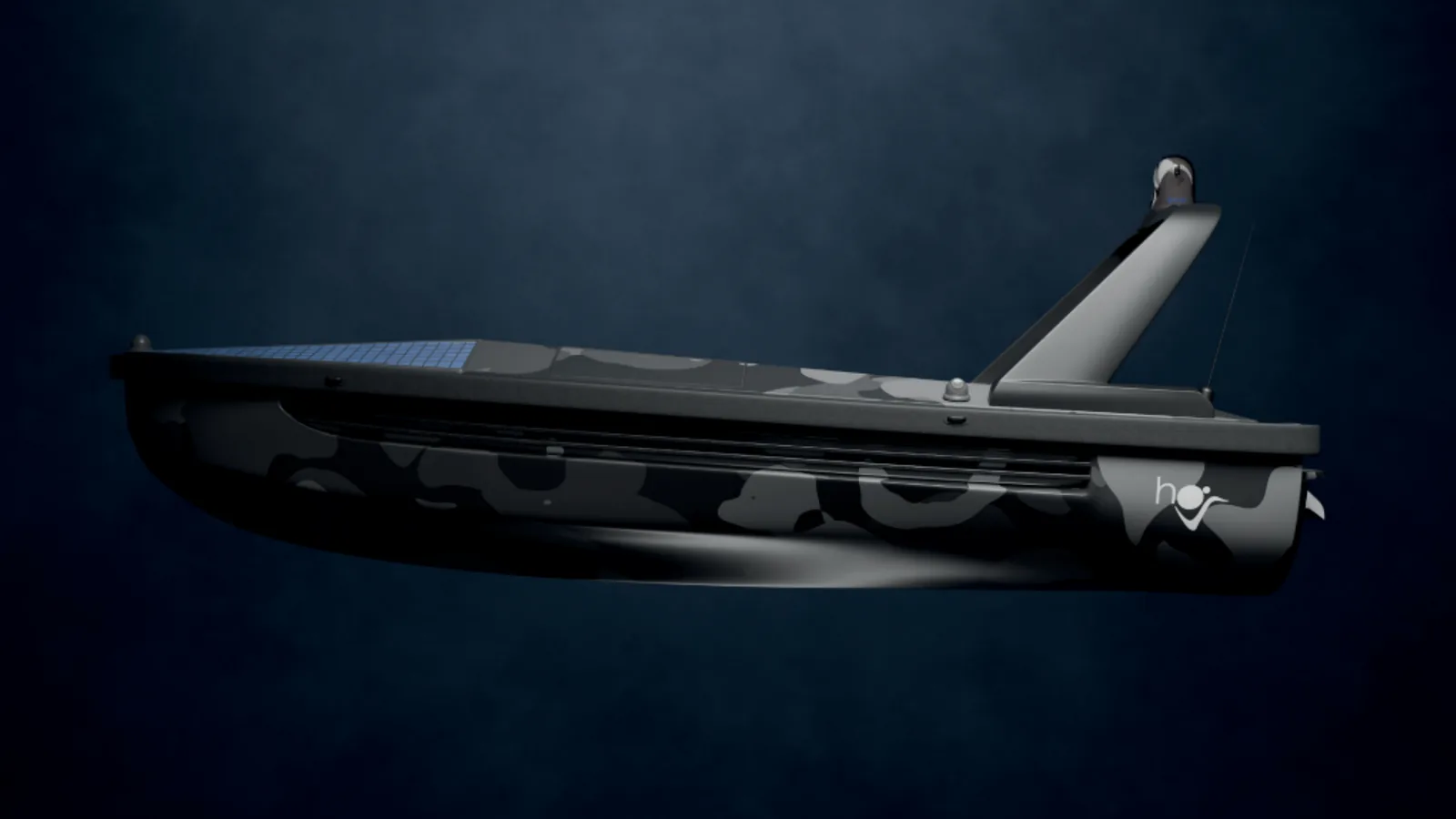
Surface USV
A vessel that operates remotely at sea, on rivers and in ports with no crew on board, with interchangeable payloads.
View productWhat changes compared with crewed assets
The manufacturer’s comparison between the previous procedure and remotely operated platforms.
From reconnaissance vehicle to UGV
A compact platform that needs fewer transport and deployment resources, takes the detector to specific inspection points and leaves less external surface to decontaminate afterwards. It does not replace the crewed vehicle: it complements it in local inspections.
From platform truck to UAV
A smaller logistics footprint and fewer transport and deployment needs. It optimises human and material resources, shortens deployment and execution, reduces direct exposure of personnel, and improves delimitation, supervision and control of the operation area.
Qualitative advantages stated by the manufacturer. Results depend on the mission, the equipment fitted, link coverage and the conditions of the operation.
About Remotely operated platforms
What endurance and payload capacity do they have?
They depend on the platform model and the equipment fitted, which is why no generic figures are published. They are set when the configuration is defined with the buyer and appear in the data sheet included with the quotation.
How is the configuration defined?
Starting from the mission: type of threat, environment (land, air or water), payloads required, link range and how it will integrate with your existing decontamination equipment and procedures. With that information we send you the proposal and availability.
Do they replace crewed equipment and vehicles?
No. They complement them: they handle the approach to the source, remote inspection and tasks where exposing a person is not worth it, while the rest of the operation continues with the usual assets.
Material subject to authorisationOperations involving defence material are subject to the applicable authorisations. We only handle requests from public bodies and authorised companies.
Request the technical data sheet for your procurement file
Tell us which organisation or company you represent, the intended use and the quantities. We send you data sheets, test standards and configuration details once the transaction has been identified.